- Hyderabad's #1 Java Training Institute
Become a Data Structures Expert
Master Data Structures with hands-on problem-solving and placement assistance. Strengthen your coding and algorithm skills.
- Duration: 3 Months
- Rating: 4.9 / 5

- SCAN NOW for More Details
Course Curriculum
A structured 3-month program covering everything from fundamentals to advanced enterprise development.
Module 1: Introduction to Data Structures
- Introduction to Data Structures
- Types of Data Structures
- Time & Space Complexity
- Algorithms Basics
Module 2: Arrays & Strings
- Arrays (1D & 2D)
- Operations on Arrays
- Strings & String Handling
- Searching Techniques
Module 3: Linked Lists
- Introduction to Linked List
- Types (Singly, Doubly, Circular)
- Insertion & Deletion
- Traversal
Module 4: Stacks & Queues
- Stack (Operations, Applications)
- Queue (Types & Operations)
- Circular Queue
- Priority Queue
Module 5: Trees, Graphs & Sorting
- Trees (Binary Tree, BST)
- Graph Basics
- Traversal Techniques
- Sorting Algorithms
- Searching Algorithms
Everything You Need to Launch Your Career
Our Data Structure program is designed to give you practical skills that top companies demand.

Industry-Oriented Curriculum
Crafted with inputs from senior developers at top IT companies, updated quarterly to match market demands.

Hands-on Projects
Build 5+ real-world projects—including e-commerce, REST APIs, and microservices—to showcase to employers.

Query Writing & Optimization
Learn efficient algorithms and data handling techniques.

Placement Support
Placement assistance with resume building, mock interviews, and career support.

Experienced Trainers
Learn from engineers with 8–15 years of enterprise Java experience at companies like TCS, Infosys, and Wipro.
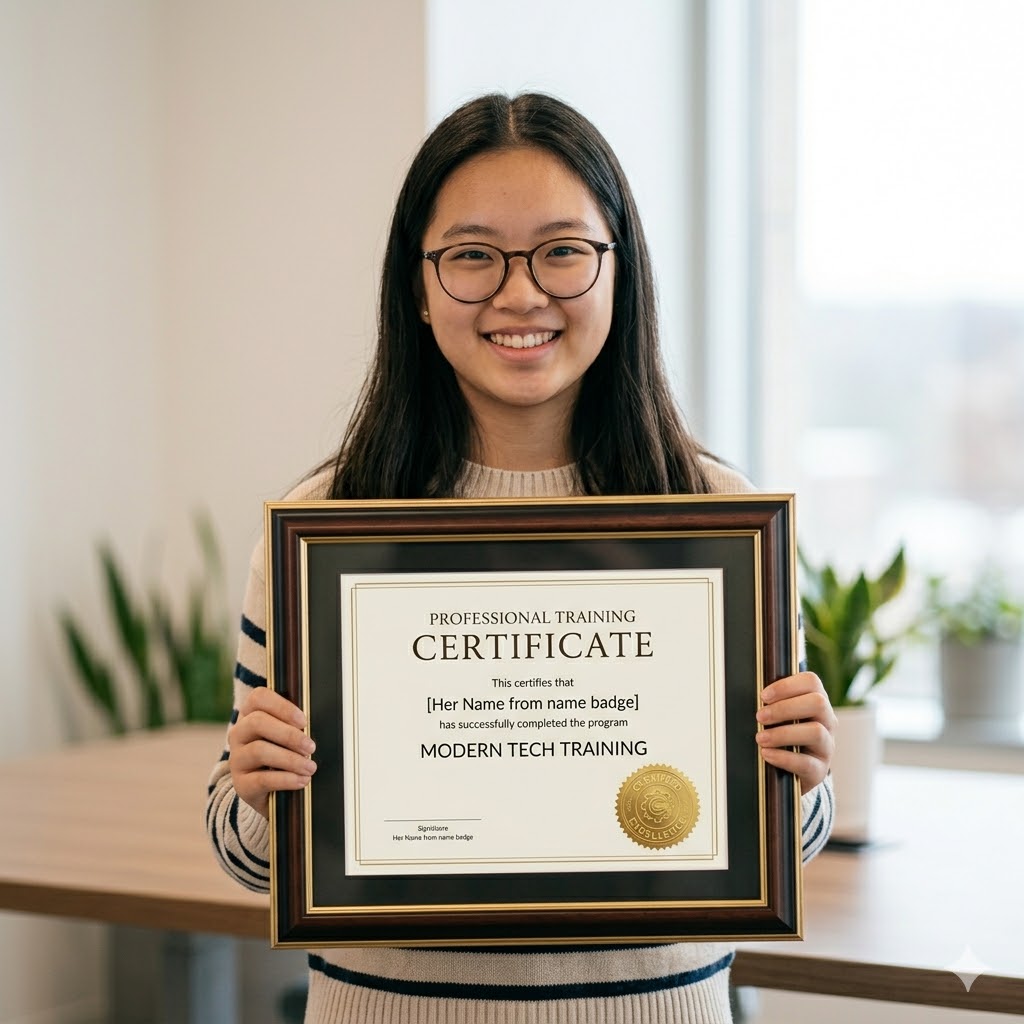
Recognised Certificate
Earn an industry-recognized APEC Training certificate valued by top companies in Hyderabad.
Technologies You'll Master
A complete Data Structures toolkit covering algorithms, data handling, and optimization essentials.

VS Code

Python

JAVA
C++

C
Choose Your Learning Mode
Flexible training options to fit your schedule and learning style.

Classroom Training
Learn in a professional training environment with real-time interaction, peer learning, and lab access.
- In-person expert guidance
- Hands-on learning
- Peer interaction
- Focused environment

Online Training
Live instructor-led sessions via Zoom/Google Meet full classroom experience from anywhere in India.
- Learn from anywhere
- Live interactive classes
- Flexible schedule
- Recorded sessions

Weekend Batch
Weekend intensive sessions designed for working professionals and students with busy weekdays.
- Weekend-only classes
- Ideal for professionals
- Fast-track learning
- Flexible pace
Frequently Asked Questions
Got questions? We’ve got answers. If you don’t find what you need, talk to our counsellors.
It teaches the organization and management of data for efficient problem-solving in programming.
Students, freshers, and IT professionals preparing for coding interviews and software development roles.
Arrays, Linked Lists, Stacks, Queues, Trees, Graphs, Searching, Sorting, and algorithm analysis.
Yes, beginners can join with basic programming interest; concepts are explained from fundamentals.
APEC offers expert faculty, practical coding sessions, interview preparation, and strong placement support.
The course duration is usually 2 to 3 months depending on the learning mode.
Yes, both classroom and online training options are available.
Yes, this course is specially designed to improve problem-solving and crack technical interviews.
It strengthens your foundation for software roles and increases your chances of placement.
Yes, you will receive an industry-recognized certificate.
Ready to Master Data Structures?
Join thousands of students who transformed their careers with
APEC Training
Your first step is one click away.
You Might Also Like
Data Science with AI & ML
Python, ML, Deep Learning & real-world data projects.
- 6 Months
- Details
Data Structure
APEC Provides Best Data Structure Course in Various Fields of Education like for both IT and Non IT Students and Professionals .


Customized ONLINE Classes available.
Attend Free Demo
A data structure is a specialized format for organizing and storing data. In computer science, a data structure is a particular way of organizing data in a computer so that it can be used efficiently. Data structure types include the array, the file, the record, the table, the tree, and so on. Any data structure is designed to organize data to suit a specific purpose so that it can be accessed and worked with in appropriate ways. Moreover, understanding their role in real-world systems is essential.
Data structures provide a means to manage large amounts of data efficiently for uses such as large databases and internet indexing services. Usually, efficient data structures are key to designing efficient algorithms. Data structures can be used to organize the storage and retrieval of information stored in both main memory and secondary memory. Different kinds of data structures are suited to different kinds of applications, for example, relational databases commonly use B-tree indexes for data retrieval, while compiler implementations use hash tables to look up identifiers. Therefore, mastering data structures is fundamental for building scalable and high-performance software systems.
CERTIFYING BODY: In-house certification
CAREER PROSPECTS:
Syllabus
CERTIFYING BODY: In-house certification
CAREER PROSPECTS:
FAQ's
It teaches the organization and management of data for efficient problem-solving in programming.
Students, freshers, and IT professionals preparing for coding interviews and software development roles.
Arrays, Linked Lists, Stacks, Queues, Trees, Graphs, Searching, Sorting, and algorithm analysis.
Yes, beginners can join with basic programming interest; concepts are explained from fundamentals.
APEC offers expert faculty, practical coding sessions, interview preparation, and strong placement support.
The course duration is usually 2 to 3 months depending on the learning mode.
Yes, both classroom and online training options are available.
Yes, this course is specially designed to improve problem-solving and crack technical interviews.
It strengthens your foundation for software roles and increases your chances of placement.
Yes, you will receive an industry-recognized certificate.
Grow Your Career
There’s no shortage of possible career options in IT, and there’s no shortage of opportunities for promotion within specific IT niches. Full Stack Development, Data Science, ML & AI, Digital Marketing, Cloud Computing, Networking and Graphic Design all offer IT career growth and may be just right for you.