

- Hyderabad's #1 Java Training Institute
DevOps Training
Linux fundamentals, Git, Docker, Kubernetes, Jenkins CI/CD, Ansible, Terraform, monitoring with Prometheus & Grafana, and cloud deployments on AWS.
- Duration: 4 Months
- Rating: 4.9 / 5
- SCAN NOW for More Details
Course Curriculum
A structured 4-month program covering everything from fundamentals to advanced enterprise development.
Module 1: DevOps Fundamentals
- Introduction to DevOps
- SDLC Models
- DevOps Lifecycle
- Continuous Integration & Continuous Delivery
- DevOps Tools Overview
Module 2: Linux & Version Control
- Linux Basics & Commands
- File System & Permissions
- Shell Scripting Basics
- Git Introduction
- Git Commands & Workflow
- GitHub / Repository Management
Module 3: Build & Integration Tools
- Maven / Build Tools
- Jenkins Introduction
- CI/CD Pipeline Setup
- Job Creation & Automation
- Integration with Git
Module 4: Containerization & Orchestration
- Docker Introduction
- Docker Architecture
- Creating Containers & Images
- Docker Commands
- Kubernetes Basics
- Pods, Deployments, Services
Module 5: Cloud & Configuration Management
- Cloud Basics (AWS/Azure)
- EC2, S3 basics
- Infrastructure as Code
- Ansible / Configuration Management
- Deployment Automation
Module 6: Monitoring & Advanced DevOps
- Monitoring Tools (Nagios / Prometheus / Grafana)
- Logging Concepts
- CI/CD Advanced Pipelines
- Security in DevOps
- Real-time Projects
- Interview Preparation
Everything You Need to Launch Your Career
Our DevOps program is designed to give you practical skills that top companies demand.

Industry-Oriented Curriculum
Crafted with inputs from senior developers at top IT companies, updated quarterly to match market demands.

Hands-on Projects
Build 5+ real-world projects—including e-commerce, REST APIs, and microservices—to showcase to employers.

CI/CD Pipeline Implementation
Learn to build and manage real-world CI/CD pipelines using industry tools.

Placement Support
Placement assistance with resume building, mock interviews, and career support.

Experienced Trainers
Learn from engineers with 8–15 years of enterprise Java experience at companies like TCS, Infosys, and Wipro.
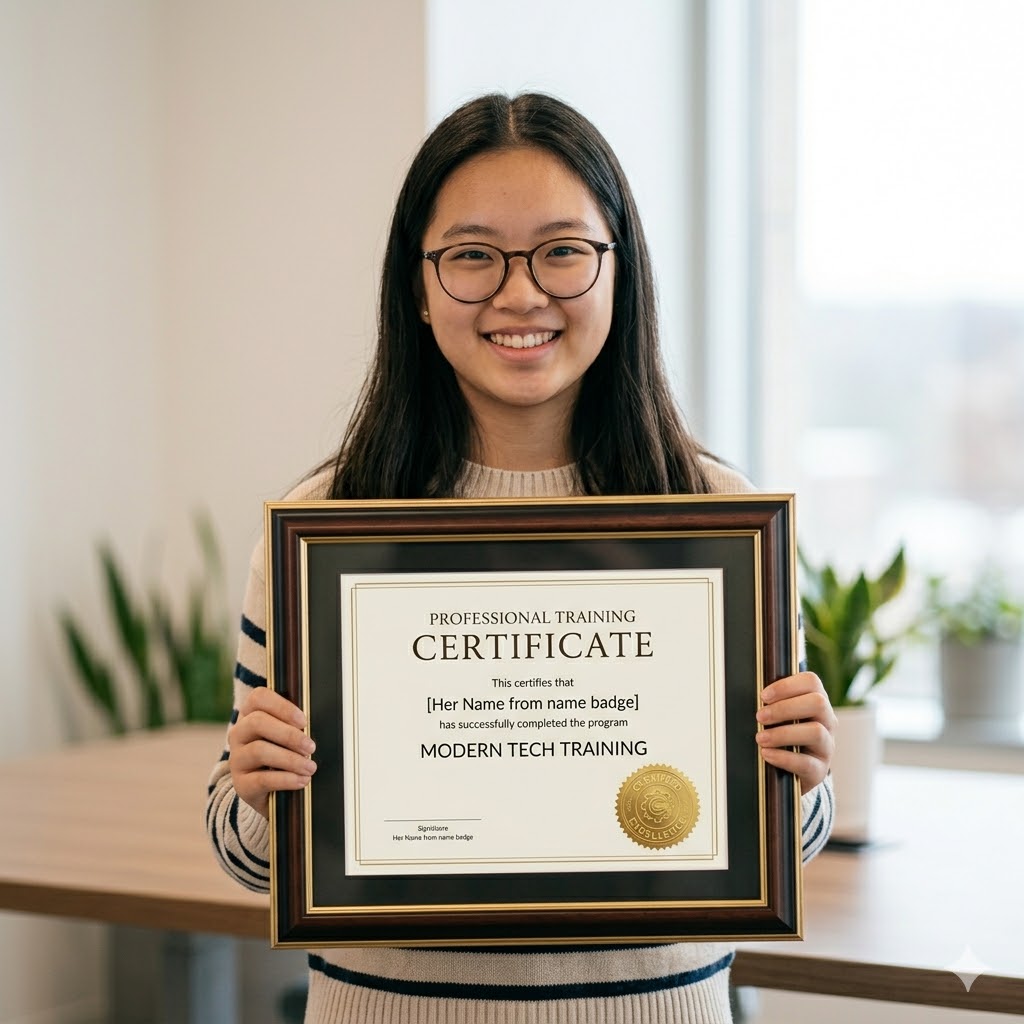
Recognised Certificate
Earn an industry-recognized APEC Training certificate valued by top companies in Hyderabad.

Technologies You'll Master
A complete DevOps toolkit covering CI/CD, cloud, containers, automation, and monitoring essentials.

GIT

Jenkins

kubernetes

Docker

Linux

Ansible

Prometheus

Terraform

Choose Your Learning Mode
Flexible training options to fit your schedule and learning style.

Classroom Training
Learn in a professional training environment with real-time interaction, peer learning, and lab access.

- In-person expert guidance
- Hands-on learning
- Peer interaction
- Focused environment

Online Training
Live instructor-led sessions via Zoom/Google Meet full classroom experience from anywhere in India.

- Learn from anywhere
- Live interactive classes
- Flexible schedule
- Recorded sessions

Weekend Batch
Weekend intensive sessions designed for working professionals and students with busy weekdays.
- Weekend-only classes
- Ideal for professionals
- Fast-track learning
- Flexible pace
Frequently Asked Questions
Got questions? We’ve got answers. If you don’t find what you need, talk to our counsellors.
A DevOps course in Hyderabad teaches how to automate, deploy, and manage applications using DevOps tools and practices. It covers Linux, Git, Docker, Kubernetes, CI/CD pipelines, cloud platforms, and real-time DevOps projects.
Hyderabad is a major IT and cloud hub with strong demand for DevOps professionals. DevOps training in Hyderabad provides industry-oriented skills, hands-on tools training, and better job opportunities in IT companies and startups.
Yes, DevOps training in Hyderabad is suitable for beginners with basic IT knowledge. Courses usually start with Linux and version control before moving to advanced DevOps tools and cloud concepts.
A DevOps course in Hyderabad includes Linux administration, Git, Maven, Jenkins, Docker, Kubernetes, CI/CD pipelines, cloud platforms, monitoring tools, and real-time projects.
Most DevOps training courses in Hyderabad take 3 to 5 months, depending on the syllabus, training mode, and project coverage.
Yes, there are several DevOps training institutes in Hyderabad that offer practical training, experienced trainers, real-time projects, and placement assistance.
Yes, DevOps training in Ameerpet is available and is popular for its job-oriented coaching centers that focus on hands-on DevOps tools and placement guidance.
Anyone with basic computer and networking knowledge can enroll in DevOps training in Hyderabad. Graduates, working professionals, and IT engineers can join.
After completing a DevOps course in Hyderabad, learners can apply for roles such as DevOps Engineer, Cloud Engineer, Build and Release Engineer, Site Reliability Engineer, and Automation Engineer.
APEC Training offers industry-focused DevOps training in Hyderabad and Ameerpet with experienced trainers, real-time hands-on projects, updated curriculum, and placement support to help learners become job-ready.
Ready to Become a DevOps Engineer?
Join thousands of students who transformed their careers with
APEC Training
Your first step is one click away.
You Might Also Like
Data Science with AI & ML
Python, ML, Deep Learning & real-world data projects.
- 6 Months
- Details
DevOps Training
APEC provides the best DevOps Course in Various Fields of education, including both IT and non-IT students and Professionals.
Customized ONLINE Classes available.
Attend Free Demo
DevOps is said to be a culture evolving rapidly to automate the build, test and release phases of the application. A typical DevOps engineer would have expertise in development, testing and operations. And should have deep technical skills in tools such as Puppet, Chef, Ansible, GIT, Jenkins, Docker, etc. Should understand cloud platforms and how to use infrastructure automation to leverage this to best effect. There is a great demand for certified candidates with bright future in this field. APEC offers you best DevOps training in Hyderabad and globally.
- DevOps Architect
- DevOps Application Engineer
- DevOps Infrastructure Engineer
- DevOps consultant
- Security Engineer
- Integration Specialist
- Release Manager
- History of DevOps
- What is Dev and Ops?
- DevOps Definitions
- DevOps & its Life Cycle
- DevOps – Main Objectives
- Prerequisites for DevOps
- Cloud Introduction – Saas, PaaS, Iaas
- Cloud usage in DevOps
- Introduction to Linux
- Unix & Linux O/s Basics
- Linux System Admin Commands
- Tools Jenkins, Chef, Puppet, Docker
- Continuous Integration
- Continuous Deployment
- Continuous Release & Deployment
- Traditional Methodologies & Practices
- DevOps Implementation
- DevOps Tools
Version Control
- What is a Version Control System?
- What is a Distributed Version Control System?
SVN
- Version Control System
- Centralized and Distributed Systems for SVN
- SVN Features
- SVN Server Installation
- Configure SVN with Web Server
- Create and Configure Users
- SVN Trunk / Branch / Tag
GIT
- GIT Features
- 3-Tree Architecture
- GIT Clone /Commit / Push
- GIT Hub Projects
- GIT Hub Management
- Differences between SVN & GIT Build Tools
ANT
- ANT Installation
- ANT Build Pre-Requisites
- Creating JAR and WAR files
- Make AND Build
MAVEN
- Maven Installation
- Maven Build Requirements
- Maven POM Build
- Continuous Integration
NAGIOS
- Nagios Introduction
- Setup Nagios
- Nagios Installation & Configuration
- How to Check Events?
- CPU, Memory & Other Events
JENKINS
- Introduction to Jenkins
- Continuous Integration with Jenkins
- Installation of Jenkins Master & Slave
- Configure Jenkins
- Jenkins Management
- Support for GIT Version Control System
- Different Types of Jenkins Jobs
- Scheduling Build Jobs fi
- Maven Build Scripts
- Securing Jenkins
- Authentication
- Authorization
- Confidentiality
- Creating Users
- Jenkins Plugin
- Installing Jenkins Plugins
- SCM Plugin
- Build and Test
- Apache Web Server
- Web Server Installation & Configuration
- Apache Tomcat Server
- Tomcat Server Installation & Configuration
- Manual and Automated Application Deployment
- Containers & Virtual Development
- Docker
- Vagrant
CHEF
- Overview of Chef, Introduction
- Chef Client-Server Architecture
- Chef-Solo Introduction
- Chef Recipes, Cookbooks, Chef-role, Environments
- Chef Run-list and Data-bags
- Chef Server and Workstation Setup
- Chef Server & Workstation
- Knife Configuration
- Chef Solo Setup & Implementation with Examples
- Create & Configure the Organization.
- Create the Organization, Environment, Role, Bags.
- Adding Node to Organization.
- Mapping Environment, Roles & Data-bags to Organization
- Create Environments/ Roles/ Data-bags
- Chef-server, Chef-Repo
- Chef-client, Chef-solo
Advanced Chef
- What is Food Critic
- What is Test-Kichen
- Improve & Expand on Existing Recipes
PUPPET
- Introduction to Puppet
- Installation & Configuration of Master Server & Agents
- Installation of Puppet Single Node Setup
- Creating Manifests & Loading Modules from Puppet Forge
- Managing Manifests
- Creating & Managing Modules
- Version Control with Puppet
- DevOps Monitoring
Syllabus
CAREER PROSPECTS:
- DevOps Architect
- DevOps Application Engineer
- DevOps Infrastructure Engineer
- DevOps consultant
- Security Engineer
- Integration Specialist
- Release Manager
SYLLABUS:
INTRODUCTION
- History of DevOps
- What is Dev and Ops?
- DevOps Definitions
- DevOps & its Life Cycle
- DevOps – Main Objectives
- Prerequisites for DevOps
- Cloud Introduction – Saas, PaaS, Iaas
- Cloud usage in DevOps
- Introduction to Linux
- Unix & Linux O/s Basics
- Linux System Admin Commands
- Tools Jenkins, Chef, Puppet, Docker
- Continuous Integration
- Continuous Deployment
- Continuous Release & Deployment
DEVOPS IMPLEMENTATION
- Traditional Methodologies & Practices
- DevOps Implementation
- DevOps Tools
Version Control
- What is a Version Control System?
- What is a Distributed Version Control System?
SVN
- Version Control System
- Centralized and Distributed Systems for SVN
- SVN Features
- SVN Server Installation
- Configure SVN with Web Server
- Create and Configure Users
- SVN Trunk / Branch / Tag
GIT
- GIT Features
- 3-Tree Architecture
- GIT Clone /Commit / Push
- GIT Hub Projects
- GIT Hub Management
- Differences between SVN & GIT Build Tools
ANT
- ANT Installation
- ANT Build Pre-Requisites
- Creating JAR and WAR files
- Make AND Build
MAVEN
- Maven Installation
- Maven Build Requirements
- Maven POM Build
- Continuous Integration
NAGIOS
- Nagios Introduction
- Setup Nagios
- Nagios Installation & Configuration
- How to Check Events?
- CPU, Memory & Other Events
JENKINS
- Introduction to Jenkins
- Continuous Integration with Jenkins
- Installation of Jenkins Master & Slave
- Configure Jenkins
- Jenkins Management
- Support for GIT Version Control System
- Different Types of Jenkins Jobs
- Scheduling Build Jobs fi
- Maven Build Scripts
- Securing Jenkins
- Authentication
- Authorization
- Confidentiality
- Creating Users
- Jenkins Plugin
- Installing Jenkins Plugins
- SCM Plugin
- Build and Test
Web Server & Application Server
- Apache Web Server
- Web Server Installation & Configuration
- Apache Tomcat Server
- Tomcat Server Installation & Configuration
- Manual and Automated Application Deployment
- Containers & Virtual Development
- Docker
- Vagrant
Configuration Management
CHEF
- Overview of Chef, Introduction
- Chef Client-Server Architecture
- Chef-Solo Introduction
- Chef Recipes, Cookbooks, Chef-role, Environments
- Chef Run-list and Data-bags
- Chef Server and Workstation Setup
- Chef Server & Workstation
- Knife Configuration
- Chef Solo Setup & Implementation with Examples
- Create & Configure the Organization.
- Create the Organization, Environment, Role, Bags.
- Adding Node to Organization.
- Mapping Environment, Roles & Data-bags to Organization
- Create Environments/ Roles/ Data-bags
- Chef-server, Chef-Repo
- Chef-client, Chef-solo
Advanced Chef
- What is Food Critic
- What is Test-Kichen
- Improve & Expand on Existing Recipes
PUPPET
- Introduction to Puppet
- Installation & Configuration of Master Server & Agents
- Installation of Puppet Single Node Setup
- Creating Manifests & Loading Modules from Puppet Forge
- Managing Manifests
- Creating & Managing Modules
- Version Control with Puppet
- DevOps Monitoring
FAQ's
A DevOps course in Hyderabad teaches how to automate, deploy, and manage applications using DevOps tools and practices. It covers Linux, Git, Docker, Kubernetes, CI/CD pipelines, cloud platforms, and real-time DevOps projects.
Hyderabad is a major IT and cloud hub with strong demand for DevOps professionals. DevOps training in Hyderabad provides industry-oriented skills, hands-on tools training, and better job opportunities in IT companies and startups.
Yes, DevOps training in Hyderabad is suitable for beginners with basic IT knowledge. Courses usually start with Linux and version control before moving to advanced DevOps tools and cloud concepts.
A DevOps course in Hyderabad includes Linux administration, Git, Maven, Jenkins, Docker, Kubernetes, CI/CD pipelines, cloud platforms, monitoring tools, and real-time projects.
Most DevOps training courses in Hyderabad take 3 to 5 months, depending on the syllabus, training mode, and project coverage.
Yes, there are several DevOps training institutes in Hyderabad that offer practical training, experienced trainers, real-time projects, and placement assistance.
Yes, DevOps training in Ameerpet is available and is popular for its job-oriented coaching centers that focus on hands-on DevOps tools and placement guidance.
Anyone with basic computer and networking knowledge can enroll in DevOps training in Hyderabad. Graduates, working professionals, and IT engineers can join.
After completing a DevOps course in Hyderabad, learners can apply for roles such as DevOps Engineer, Cloud Engineer, Build and Release Engineer, Site Reliability Engineer, and Automation Engineer.
APEC Training offers industry-focused DevOps training in Hyderabad and Ameerpet with experienced trainers, real-time hands-on projects, updated curriculum, and placement support to help learners become job-ready.
Grow Your Career
There’s no shortage of possible career options in IT, and there’s no shortage of opportunities for promotion within specific IT niches. Full Stack Development, Data Science, ML & AI, Digital Marketing, Cloud Computing, Networking and Graphic Design all offer IT career growth and may be just right for you.