
Home / All Courses / Full Stack JAVA
- Hyderabad's #1 Full Stack JAVA Training Institute
Become a FULL STACK JAVA Developer
Master Java, Spring Boot, React & more with hands-on projects and placement assistance. Build real-world applications from day one.
- Duration: 6 Months
- Rating: 4.9 / 5

- SCAN NOW for More Details
Course Curriculum
A structured 6-month program covering everything from fundamentals to advanced enterprise development.
Module 1: Introduction & Core Java Basics
- Why Java? Java versus C/C++
- Java history, features, applications
- Java Editions
- JDK versions, JDK installations
- JVM Architecture, JVM Structure, Components
- Java 7, Java 8 Features
- Tokens, Identifiers, Data types, Keywords
- Variables, Constants(Literals), Type casting
- Operators
- Java program structure
- Creating and running Java program
- Working with IDEs : Net Beans and Eclipse
- Command-Line Argument
Module 2: Control Statements & Data Handling
- Wrapper Class
- Data types vs Wrapper classes
- Auto boxing vs unboxing
- toString(), parseXXX(), valueOf(), XXXValue()
- Selection Statements (If, if-else, nested-if, else-if ladder, switch)
- Looping Statements (while, do-while, for, for-each)
- break v/s continue
- Arrays (Single, Multi Dimensional, Jagged arrays)
- String, StringBuffer and StringBuilder classes
- StringTokenizer
Module 3: OOP Concepts
- Java Classes
- Data Members, Methods, Constructors
- Garbage Collection, this keyword
- Static and non-static blocks
- Polymorphism
- Inheritance, Types of Inheritance
- Method Overriding, super keyword
- Dynamic Polymorphism
- final keyword
Module 4: Packages, Interfaces & Exception Handling
- Java package structure
- Predefined packages
- User-defined packages
- Importing packages
- Access Modifiers (private, public, protected, abstract, volatile, synchronized)
- Interface declarations
- Marker interface
- Adapter classes
- Implementing multiple inheritance using interfaces
- Exception Handling (Types of Errors, Exception vs Error, try-catch, finally, throw/throws, User-defined Exceptions)
Module 5: Advanced Java Programming
- Multithreading (Thread life cycle, priorities, synchronization, execution methods, deadlocks, daemon threads)
- Nested / Inner Classes (Static, Member, Local, Anonymous)
- Streams (Byte vs Character, Buffered, File handling, Serialization)
- Collection Framework (Iterator, List, Set, Map)
- Applets (Life cycle, creation)
- GUI Programming (AWT, Event Handling, Listeners, Adapter classes)
- Swing (Components, Layouts, Swing vs AWT)
- JDBC (Architecture, Drivers, DML, SELECT, PreparedStatement, ResultSet, Advanced features)
Module 6: Enterprise Java & Frameworks
- Networking (Socket, ServerSocket, Client-Server programming)
- Servlets (Life Cycle, HTTP Methods, Session Tracking, RequestDispatcher)
- JSP (Life cycle, Directives, Scripting, JDBC integration)
- AJAX (Architecture, Database integration)
- Hibernate (ORM, HQL, CRUD, Mapping, Integration)
- Spring (IOC, DI, Annotations, JDBC, MVC)
- JSON (JSON vs XML, Java JSON Integration)
Everything You Need to Launch Your Career
Our Full Stack Java program is designed to give you practical skills that top companies demand.

Industry-Oriented Curriculum
Crafted with inputs from senior developers at top IT companies, updated quarterly to match market demands.

Hands-on Projects
Build 5+ real-world projects—including e-commerce, REST APIs, and microservices—to showcase to employers.

Internship Opportunities
Get internship opportunities with our partner companies and gain real industry experience before your first job.

Placement Support
Placement assistance with resume building, mock interviews, and career support.
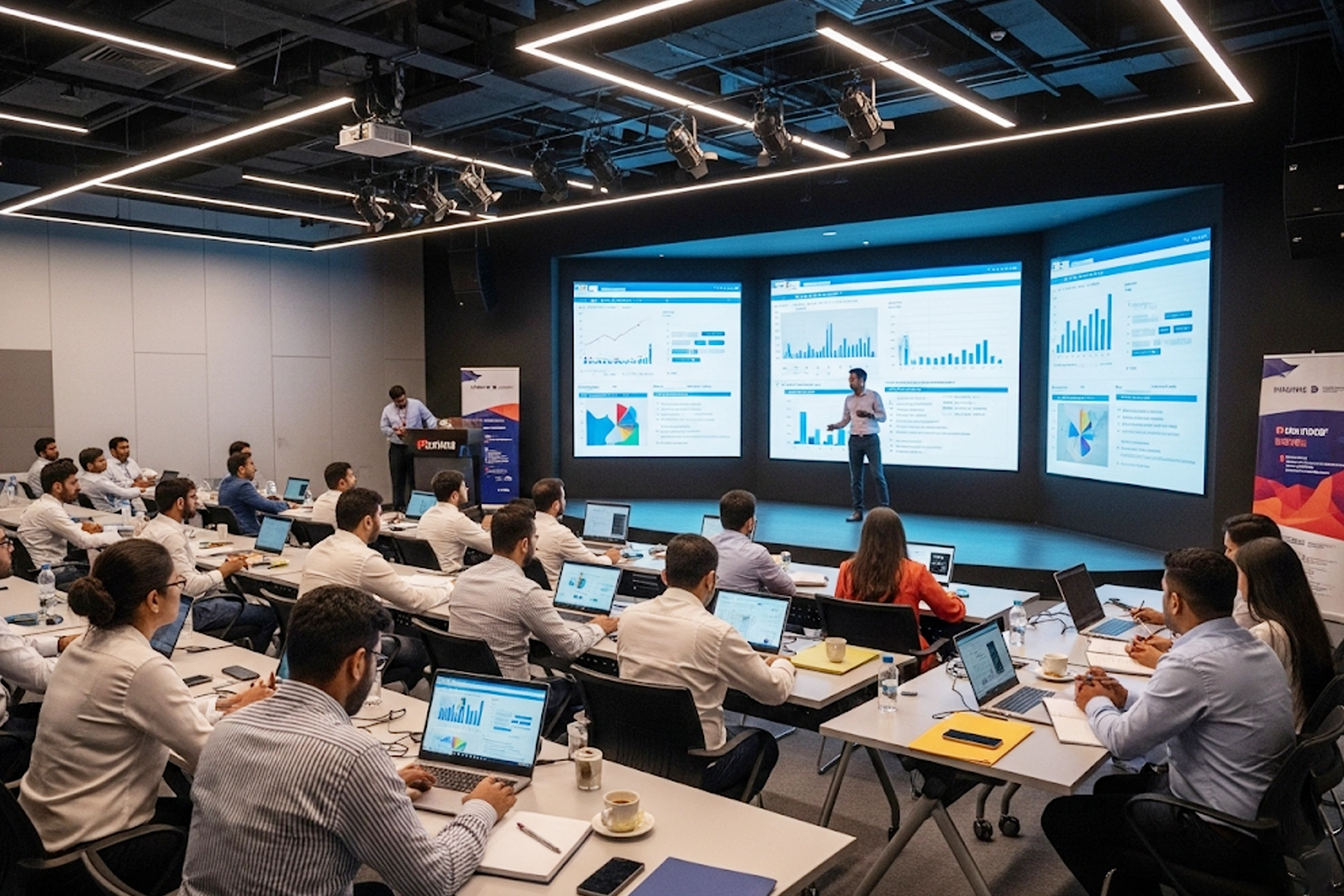
Experienced Trainers
Learn from engineers with 8–15 years of enterprise Java experience at companies like TCS, Infosys, and Wipro.
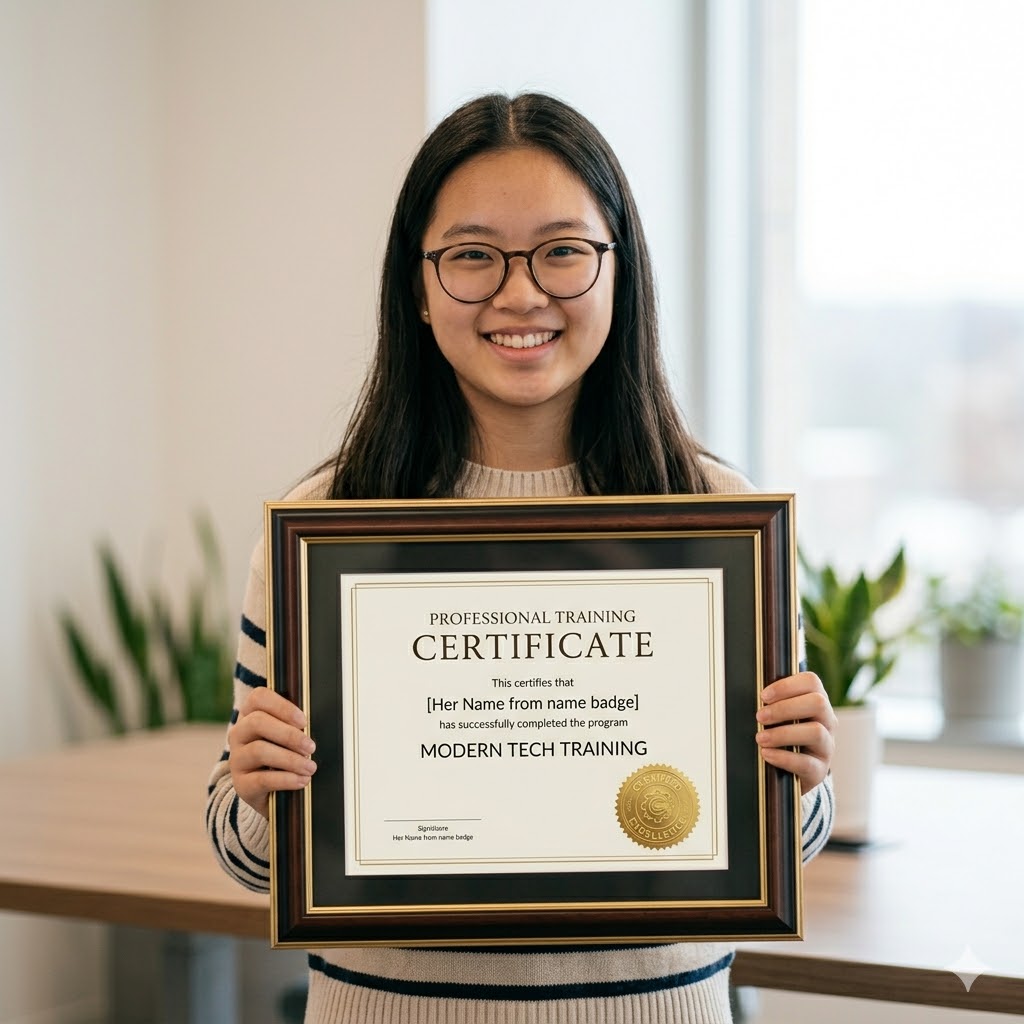
Recognised Certificate
Earn an industry-recognized APEC Training certificate valued by top companies in Hyderabad.
Technologies You'll Master
A complete Full Stack toolkit covering frontend, backend, database and DevOps essentials.

CSS3

HTML5

MySQL

Hibernate

Spring Boot

Java

Maven

GitHub

Hibernate
Angular

React

JavaScript
Choose Your Learning Mode
Flexible training options to fit your schedule and learning style.

Classroom Training
Learn in a professional training environment with real-time interaction, peer learning, and lab access.
- In-person expert guidance
- Hands-on learning
- Peer interaction
- Focused environment

Online Training
Live instructor-led sessions via Zoom/Google Meet full classroom experience from anywhere in India.
- Learn from anywhere
- Live interactive classes
- Flexible schedule
- Recorded sessions

Weekend Batch
Weekend intensive sessions designed for working professionals and students with busy weekdays.
- Weekend-only classes
- Ideal for professionals
- Fast-track learning
- Flexible pace
Frequently Asked Questions
Got questions? We’ve got answers. If you don’t find what you need, talk to our counsellors.
A Full Stack Java course trains learners in both front-end and back-end development using Java technologies. It includes Core Java, Advanced Java, Spring Boot, REST APIs, databases, and frontend technologies required to build complete web applications.
Students, fresh graduates, and working professionals can join the Full Stack Java course in Hyderabad. No prior coding experience is mandatory, as the training starts from basics and gradually moves to advanced concepts.
The Full Stack Java course duration generally ranges from 3 to 6 months, depending on the batch type, learning mode, and inclusion of practical projects and internship programs.
Yes, the Full Stack Java course includes hands-on real-time projects that help learners apply concepts practically and gain experience in developing full-scale web applications.
Yes, placement assistance is provided, including resume preparation, interview guidance, mock interviews, and job-oriented training to help students secure roles as Full Stack Java Developers.
The syllabus covers Core Java, Advanced Java, Spring Boot, Hibernate, RESTful services, SQL, version control tools, frontend technologies, and basic deployment concepts.
The average salary of a Full Stack Java Developer in Hyderabad typically ranges from ₹4 LPA to ₹10 LPA, depending on technical skills, project experience, and company requirements.
Yes, the Full Stack Java course is suitable for freshers. It is structured with step-by-step learning, practical labs, and mentor support to help beginners confidently enter the software industry.
Yes, both classroom training in Hyderabad and online instructor-led training options are available, allowing learners to choose flexible schedules based on their availability.
APEC Training Institute offers industry-oriented Full Stack Java training with experienced trainers, practical learning, real-time projects, placement support, and flexible batch timings, making it a trusted choice for Java training in Hyderabad.
Ready to Become a Full Stack Java Developer?
Join thousands of students who transformed their careers with
APEC Training
Your first step is one click away.
You Might Also Like
Full Stack Java
APEC Provides Best Full Stack Java Course in Various Fields of education, including both IT and Non IT Students and Professionals.


Customized ONLINE Classes available.
Attend Free Demo
Are you aspiring to become a proficient Full Stack Java developer and embark on a rewarding career in the world of technology? Look no further than APEC – your gateway to comprehensive and industry-relevant Full Stack Java training in Hyderabad.
- Why Java? Java versus C/C++
- Java history, features, applications
- Java Editions
- JDK versions, JDK installations
- JVM Structure, Components
- Java 7, Java 8 Features
- Tokens
- Identifiers, Data types, Keywords
- Variables, Constants(Literals)
- Type casting
- Operators
- Java program structure
- Creating and running Java program
- Working with IDEs : Net Beans and Eclipse
- Command-Line Arguments
- Wrapper Class
- Data types vs Wrapper classes
- Auto boxing vs unboxing
- toString(), parseXXX(), valueOf(), XXXValue()
- Selection Statements
- If, if-else, nested-if, else-if ladder, switch
Looping Statements
while, do-while, for, for-each
break v/s continue
- Single Dimensional arrays
- Multi Dimensional arrays
- Jagged arrays
- String Manipulation
- String, StringBuffer and StringBuilder classes
- StringTokenizer
- OOP Concepts
- Data Members, Methods, Constructors
- Garbage Collection, this keyword
- Static and non-static blocks
- Polymorphism
- Inheritance
- Types of Inheritance
- Method Overriding
- super keyword
- Dynamic Polymorphism
- final keyword
- Java package structure
- Predefined packages
- User-defined packages
- Importing packages
- Access Modifiers
- private, public, protected, abstract
- volatile, synchronized
- Interface declarations
- Marker interface
- Adapter classes
- Implementing multiple inheritance using interfaces
- Introduction, Types of Errors
- Exception vs Error
- try-catch blocks
- Nesting try-catch blocks
- finally block usage
- throw/throws keyword
- User-defined Exceptions
- Introduction to multitasking
- Process based vs thread based multitasking
- Defining a thread
- Life Cycle stages of a Thread
- Setting & getting name of Thread
- Thread Priorities
- Preventing Thread from
- Thread Synchronization using wait() and notify()
- Execution(stop(),join(),sleep(),suspend(), wait())
- Deadlocks, Daemon threads
- Introduction
- Advantages
- Static inner classes
- Member inner classes
- Local inner classes
- Anonymous inner classes
- Introduction
- Byte oriented streams versus Character Oriented Streams
- Normal vs Buffered streams.
- Writing & reading operations on file
- File class
- Serialization and Deserialization
- Generics
- Introduction to Arrays
- Advantages of collections
- Collection vs Collections
- Iterator interface
- List, Set, Map interfaces and implemented classes
- Introduction to Applets
- Advantages & Disadvantages
- Life cycle of Applets
- Creating Applets
- Applet with parameters
- AWT (Abstract Window Tool Kit)
- Introduction
- Creating user-defined windows
- Adding Components on user-defined window
- Event Handling
- Different types of Listeners
- Implementing Adapter classes
- Swings
- Difference between Swing and AWT
- Components hierarchy
- Individual Swings components : JLabel, JButton,JTextField, JTextArea
- Types of Layouts, Their applications
- JDBC
- Language versus technology versus framework
- Persistence Storage: Files versus Databases
- JDBC Architecture
- Types of Drivers
- Steps for Submitting DML command to a databas
- Steps for Submitting SELECT command to a database
- Need of PreparedStatement, Batch Updates
- Types of ResultSet objects
- Callable Statement, BLOB & CLOB
- Advanced JDBC Features
- Limitations of JDBC
- Networking Basics
- java.net package, Socket and ServerSocket, URLÂ info
- Client-Server programming
- Introduction to server-side scripting
- HTTP Protocol & HTTP Methods
- Servlet Interface, GenericServlet, HttpServlet
- Servlet Life Cycle
- Servlet program structure
- ServletConfig, ServletContext objects
- Database Connectivity through Servlets
- Servlet Collaboration : Data sharing and control sharing
- RequestDispatcher methods:
- forward(), include()
- Session Tracking Mechanisms
- Cookies, HttpSession, URL Rewriting
- Filters
- Introduction to JSP
- JSP life cycle
- Implicit & Explicit objects & scopes
- JSP Directives page, include, taglib
- JSP Scripting Elements
- Custom tags in JSP
- JSP with JDBC
- Cookies and Sessions
- Need of Ajax, Ajax Architecture, Ajax program
- Ajax-Database integration
- J2EE
- Adv. of Hibernate compared to JDBC
- Introduction to ORM
- Hibernate Configuration XML file(hibernate.cfg.xml)
- Hibernate Architecture, Data Types
- First Application using Hibernate
- Hibernate API, CRUD operations
- Primary key Generators
- Hibernate Query Language(HQL)
- Connection to Database server
- Loading into Hibernate application
- Query execution in Database
- Procedure and function invocation
- Connection with Database by JDBC
- Inheritance Mapping
- Table per Sub class
- Table per class
- Table per Concrete class
- Integration with – Servlets, JSP
- Introduction to spring framework
- Spring Inversion of Control (IOC)
- Dependency Lookup
- Dependency Injection
- Constructor Vs Setter Injection
- Resolving Constructor Arguments
- Mapping Constructor Arguments
- Collection Injection and Merging
- Bean Inheritance, Bean Auto Wiring
- Annotations @Autowired,
- Property PlaceholderConfigurer
- Introduction to Spring with Jdbc
- JDBCTemplate
- PreparedStatement
- RowMapper
- ResultSetExtractor
- NamedParameteJDBCTemplate
- Integrating Hibernate with Spring
- Introduction HibernateTemplate
- HibernateDAOSupport
- Â Â Spring-MVC
- Advantages of Spring MVC
- Dispatcher Servlet
- Parameterizable view
- UrlFileName view
- BeanName, View, XmlView
- Simple UrlHandlerMappings
- Validations
- Introduction
- JSON vs XML
- Java JSON Integration
Syllabus
Introduction
- Why Java? Java versus C/C++
- Java history, features, applications
- Java Editions
- JDK versions, JDK installations
JVM Architecture
- JVM Structure, Components
- Java 7, Java 8 Features
- Tokens
- Identifiers, Data types, Keywords
- Variables, Constants(Literals)
- Type casting
- Operators
Working with Java
- Java program structure
- Creating and running Java program
- Working with IDEs : Net Beans and Eclipse
- Command-Line Arguments
- Wrapper Class
- Data types vs Wrapper classes
- Auto boxing vs unboxing
- toString(), parseXXX(), valueOf(), XXXValue()
- Selection Statements
- If, if-else, nested-if, else-if ladder, switch
Looping Statements
while, do-while, for, for-each
break v/s continue
Arrays
- Single Dimensional arrays
- Multi Dimensional arrays
- Jagged arrays
- String Manipulation
- String, StringBuffer and StringBuilder classes
- StringTokenizer
- OOP Concepts
Java Classes
- Data Members, Methods, Constructors
- Garbage Collection, this keyword
- Static and non-static blocks
- Polymorphism
- Inheritance
- Types of Inheritance
- Method Overriding
- super keyword
- Dynamic Polymorphism
- final keyword
Packages
- Java package structure
- Predefined packages
- User-defined packages
- Importing packages
- Access Modifiers
- private, public, protected, abstract
- volatile, synchronized
Interfaces
- Interface declarations
- Marker interface
- Adapter classes
- Implementing multiple inheritance using interfaces
Exception Handling
- Introduction, Types of Errors
- Exception vs Error
- try-catch blocks
- Nesting try-catch blocks
- finally block usage
- throw/throws keyword
- User-defined Exceptions
Multithreading
- Introduction to multitasking
- Process based vs thread based multitasking
- Defining a thread
- Life Cycle stages of a Thread
- Setting & getting name of Thread
- Thread Priorities
- Preventing Thread from
- Thread Synchronization using wait() and notify()
- Execution(stop(),join(),sleep(),suspend(), wait())
- Deadlocks, Daemon threads
Nested / Inner Classes
- Introduction
- Advantages
- Static inner classes
- Member inner classes
- Local inner classes
- Anonymous inner classes
Streams in Java
- Introduction
- Byte oriented streams versus Character Oriented Streams
- Normal vs Buffered streams.
- Writing & reading operations on file
- File class
- Serialization and Deserialization
- Generics
Collection Framework
- Introduction to Arrays
- Advantages of collections
- Collection vs Collections
- Iterator interface
- List, Set, Map interfaces and implemented classes
Applets
- Introduction to Applets
- Advantages & Disadvantages
- Life cycle of Applets
- Creating Applets
- Applet with parameters
GUI Programming in Java
- AWT (Abstract Window Tool Kit)
- Introduction
- Creating user-defined windows
- Adding Components on user-defined window
- Event Handling
- Different types of Listeners
- Implementing Adapter classes
Advanced JAVA
- Swings
- Difference between Swing and AWT
- Components hierarchy
- Individual Swings components : JLabel, JButton,JTextField, JTextArea
- Types of Layouts, Their applications
- JDBC
- Language versus technology versus framework
- Persistence Storage: Files versus Databases
- JDBC Architecture
- Types of Drivers
- Steps for Submitting DML command to a databas
- Steps for Submitting SELECT command to a database
- Need of PreparedStatement, Batch Updates
- Types of ResultSet objects
- Callable Statement, BLOB & CLOB
- Advanced JDBC Features
- Limitations of JDBC
Networking
- Networking Basics
- java.net package, Socket and ServerSocket, URLÂ info
- Client-Server programming
Servlets
- Introduction to server-side scripting
- HTTP Protocol & HTTP Methods
- Servlet Interface, GenericServlet, HttpServlet
- Servlet Life Cycle
- Servlet program structure
- ServletConfig, ServletContext objects
- Database Connectivity through Servlets
- Servlet Collaboration : Data sharing and control sharing
- RequestDispatcher methods:
- forward(), include()
- Session Tracking Mechanisms
- Cookies, HttpSession, URL Rewriting
- Filters
JSP
- Introduction to JSP
- JSP life cycle
- Implicit & Explicit objects & scopes
- JSP Directives page, include, taglib
- JSP Scripting Elements
- Custom tags in JSP
- JSP with JDBC
- Cookies and Sessions
AJAX
- Need of Ajax, Ajax Architecture, Ajax program
- Ajax-Database integration
- J2EE
Hibernate
- Adv. of Hibernate compared to JDBC
- Introduction to ORM
- Hibernate Configuration XML file(hibernate.cfg.xml)
- Hibernate Architecture, Data Types
- First Application using Hibernate
- Hibernate API, CRUD operations
- Primary key Generators
- Hibernate Query Language(HQL)
- Connection to Database server
- Loading into Hibernate application
- Query execution in Database
- Procedure and function invocation
- Connection with Database by JDBC
- Inheritance Mapping
- Table per Sub class
- Table per class
- Table per Concrete class
- Integration with – Servlets, JSP
Spring
- Introduction to spring framework
- Spring Inversion of Control (IOC)
- Dependency Lookup
- Dependency Injection
- Constructor Vs Setter Injection
- Resolving Constructor Arguments
- Mapping Constructor Arguments
- Collection Injection and Merging
- Bean Inheritance, Bean Auto Wiring
- Annotations @Autowired,
- Property PlaceholderConfigurer
Spring-JDBC
- Introduction to Spring with Jdbc
- JDBCTemplate
- PreparedStatement
- RowMapper
- ResultSetExtractor
- NamedParameteJDBCTemplate
Spring-ORM
- Integrating Hibernate with Spring
- Introduction HibernateTemplate
- HibernateDAOSupport
- Â Â Spring-MVC
- Advantages of Spring MVC
- Dispatcher Servlet
- Parameterizable view
- UrlFileName view
- BeanName, View, XmlView
- Simple UrlHandlerMappings
- Validations
JSON
- Introduction
- JSON vs XML
- Java JSON Integration
FAQ's
A Full Stack Java course trains learners in both front-end and back-end development using Java technologies. It includes Core Java, Advanced Java, Spring Boot, REST APIs, databases, and frontend technologies required to build complete web applications.
Students, fresh graduates, and working professionals can join the Full Stack Java course in Hyderabad. No prior coding experience is mandatory, as the training starts from basics and gradually moves to advanced concepts.
The Full Stack Java course duration generally ranges from 3 to 6 months, depending on the batch type, learning mode, and inclusion of practical projects and internship programs.
Yes, the Full Stack Java course includes hands-on real-time projects that help learners apply concepts practically and gain experience in developing full-scale web applications.
Yes, placement assistance is provided, including resume preparation, interview guidance, mock interviews, and job-oriented training to help students secure roles as Full Stack Java Developers.
The syllabus covers Core Java, Advanced Java, Spring Boot, Hibernate, RESTful services, SQL, version control tools, frontend technologies, and basic deployment concepts.
The average salary of a Full Stack Java Developer in Hyderabad typically ranges from ₹4 LPA to ₹10 LPA, depending on technical skills, project experience, and company requirements.
Yes, the Full Stack Java course is suitable for freshers. It is structured with step-by-step learning, practical labs, and mentor support to help beginners confidently enter the software industry.
Yes, both classroom training in Hyderabad and online instructor-led training options are available, allowing learners to choose flexible schedules based on their availability.
APEC Training Institute offers industry-oriented Full Stack Java training with experienced trainers, practical learning, real-time projects, placement support, and flexible batch timings, making it a trusted choice for Java training in Hyderabad.
Grow Your Career
There’s no shortage of possible career options in IT, and there’s no shortage of opportunities for promotion within specific IT niches. Full Stack Development, Data Science, ML & AI, Digital Marketing, Cloud Computing, Networking and Graphic Design all offer IT career growth and may be just right for you.