
Top Cloud Computing Trends Transforming Businesses in 2026
Technology is evolving faster than ever. Businesses today depend heavily on digital systems to manage data, applications, and customer experiences. One of the most powerful technologies driving this transformation is cloud computing. Companies across industries now rely on cloud platforms to improve scalability, reduce infrastructure costs, and accelerate innovation.
Because of this rapid growth, understanding cloud computing trends has become essential for businesses and technology professionals. New innovations in cloud platforms are changing how organizations build applications, manage data, and deliver digital services.
In this guide, we explore the most important cloud computing trends shaping the future of technology and how they are transforming modern businesses.
What Is Cloud Computing?
Cloud computing is the delivery of computing services over the internet. Instead of storing data or running applications on local computers or servers, businesses use remote servers hosted in data centers.
Cloud platforms provide services such as:
Data storage
Application hosting
Networking
Databases
Artificial intelligence tools
Organizations can access these services through the internet without managing their own hardware infrastructure.
Cloud computing helps companies scale quickly, reduce operational costs, and improve system reliability.
Summary: The Best AWS CLOUD COMPUTING Training Institutes in Ameerpet & Hyderabad include APEC IT TRAINING INSTITUTE in Ameerpet, known for practical training, live projects, and structured placement assistance. These institutes focus on job-oriented courses that prepare students for real IT careers in Hyderabad’s growing technology market.
Why Are Cloud Computing Trends Important for Businesses?
Technology trends often determine how businesses adopt new tools and strategies. Cloud computing trends highlight how organizations are improving efficiency and adapting to digital transformation.
Companies that understand cloud trends can:
- Improve operational efficiency
- Adopt modern technologies faster
- Enhance security and data protection
- Reduce infrastructure costs
- Build scalable digital platforms
For technology professionals, learning about cloud computing trends helps them stay competitive in a rapidly changing IT landscape.
What Are the Top Cloud Computing Trends in 2026?
Cloud technology continues to evolve as organizations demand more powerful and flexible digital solutions. Several key trends are shaping the future of cloud computing.
These trends are influencing how companies design applications, manage data, and deliver services to customers.
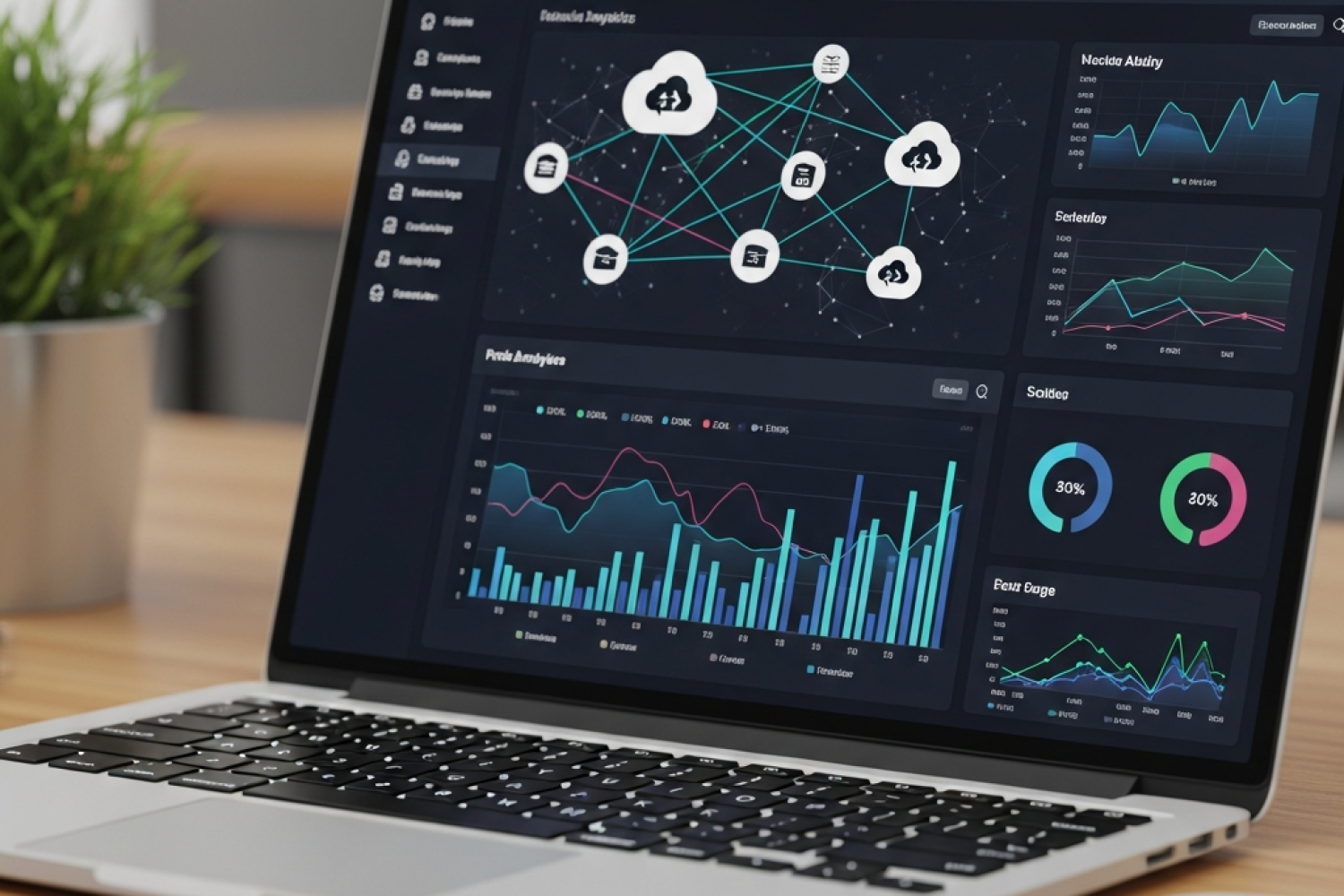
How Is Artificial Intelligence Changing Cloud Computing?
Artificial intelligence is becoming a major part of modern cloud platforms. Many cloud providers now integrate AI services directly into their infrastructure.
AI-powered cloud platforms allow businesses to analyze large amounts of data quickly. Organizations use these capabilities to automate processes, improve customer insights, and enhance decision-making.
Machine learning models, predictive analytics, and natural language processing tools are now available as cloud services. This allows businesses to use advanced technologies without building complex systems from scratch.
The integration of artificial intelligence is one of the most significant cloud computing trends shaping digital transformation.
What Is Hybrid Cloud Computing?
Hybrid cloud computing combines public cloud and private cloud environments. This approach allows organizations to store sensitive data in private infrastructure while using public cloud services for scalability.
Many businesses prefer hybrid cloud because it offers flexibility. Companies can maintain control over critical data while still benefiting from cloud scalability.
Hybrid cloud also helps organizations manage regulatory requirements and improve disaster recovery strategies. As businesses continue to balance security with flexibility, hybrid cloud adoption continues to grow.
What Is Multi Cloud Strategy?
A multi-cloud strategy involves using multiple cloud providers instead of relying on a single platform. Many organizations use services from different cloud providers to avoid vendor lock-in and improve reliability.
For example, a company may use one cloud provider for data storage and another provider for artificial intelligence services.
Multi-cloud environments allow businesses to choose the best technology solutions from different platforms. This strategy also improves system resilience because workloads can move across multiple infrastructures.
As digital transformation accelerates, multi-cloud strategies are becoming an important part of enterprise IT planning.
How Is Serverless Computing Transforming Cloud Technology?
Serverless computing is another important trend in cloud technology. In a traditional system, organizations must manage servers and infrastructure. Serverless computing removes this complexity.
With serverless platforms, developers only focus on writing code. The cloud provider automatically manages servers, scaling, and system maintenance.
This approach allows businesses to build applications faster and reduce operational overhead. Developers can deploy new features quickly without worrying about infrastructure management.
Serverless computing improves efficiency and reduces development costs, making it one of the most promising cloud computing trends in modern software development.
Why Is Cloud Security Becoming More Important?
As businesses move more data to the cloud, security has become a major priority. Organizations must protect sensitive information from cyber threats and unauthorized access.
Cloud providers now offer advanced security tools that include encryption, identity management, and threat detection systems.
Many companies also implement zero-trust security models to improve protection across cloud environments. These security strategies ensure that only authorized users can access critical data.
Cloud security innovations continue to evolve because businesses must protect large volumes of digital information.
Placement Assistance – What You Should Know
Many institutes advertise 100% placement. Students must understand the difference.
Placement assistance means:
Resume support
Mock interviews
Technical guidance
Job updates
Interview preparation
APEC provides structured placement assistance. It focuses on preparing students for real interviews.
Conclusion
Cloud computing has transformed how businesses build and manage digital infrastructure. Organizations across industries now depend on cloud platforms to store data, deploy applications, and scale operations efficiently. Because technology continues to evolve, understanding modern cloud computing trends has become essential for both businesses and IT professionals.
Innovations such as artificial intelligence integration, hybrid cloud environments, serverless computing, and edge computing are shaping the future of digital transformation. Companies that adopt these technologies can improve performance, enhance security, and deliver better digital experiences.
For students and professionals who want to build a career in cloud technology, learning these skills from a practical training institute is important. Institutes like APEC Training help learners understand real-world cloud technologies and industry practices. With proper guidance and hands-on learning, beginners can develop strong cloud computing skills and prepare for careers in modern IT environments.
FAQ'S
Cloud computing trends refer to new technologies and strategies that influence how organizations use cloud platforms for data storage, application development, and digital services.
Major trends include hybrid cloud infrastructure, multi-cloud strategies, serverless computing, artificial intelligence integration, edge computing, and improved cloud security.
Cloud computing helps businesses reduce infrastructure costs, improve scalability, and access advanced technologies like artificial intelligence and big data analytics.
The future of cloud computing will focus on AI-driven automation, edge computing integration, sustainable cloud infrastructure, and industry-specific cloud platforms.