
Home / All Courses / SQL
- Hyderabad's #1 SQL Server Training Institute
Become a SQL Server Developer
Master SQL Server with hands-on queries and placement assistance. Work with real-world databases from day one.
- Duration: 3 Months
- Rating: 4.9 / 5

- SCAN NOW for More Details
Course Curriculum
A structured 3-month program covering everything from fundamentals to advanced enterprise development.
Module 1: Introduction to SQL & Databases
- Introduction to Databases
- What is SQL?
- Types of Databases (RDBMS)
- DBMS vs RDBMS
- SQL Environment Setup
Module 2: SQL Basics
- Data Types
- Creating Tables
- INSERT, UPDATE, DELETE
- SELECT Statements
- WHERE, ORDER BY, GROUP BY
Module 3: Advanced SQL Queries
- Joins (Inner, Outer, Self Join)
- Subqueries
- Aggregate Functions
- Constraints (Primary Key, Foreign Key, etc.)
Module 4: Database Programming
Module 4: Database Programming
Module 5: Advanced Concepts & Projects
- Transactions (COMMIT, ROLLBACK)
- Normalization
- Performance Optimization
- Real-time Queries
- Mini Project / Case Studies
Everything You Need to Launch Your Career
Our SQL Server program is designed to give you practical skills that top companies demand.

Industry-Oriented Curriculum
Crafted with inputs from senior developers at top IT companies, updated quarterly to match market demands.

Hands-on Projects
Build 5+ real-world projects—including e-commerce, REST APIs, and microservices—to showcase to employers.

Internship Opportunities
Master writing efficient queries and managing databases.

Placement Support
Placement assistance with resume building, mock interviews, and career support.

Experienced Trainers
Learn from engineers with 8–15 years of enterprise Java experience at companies like TCS, Infosys, and Wipro.
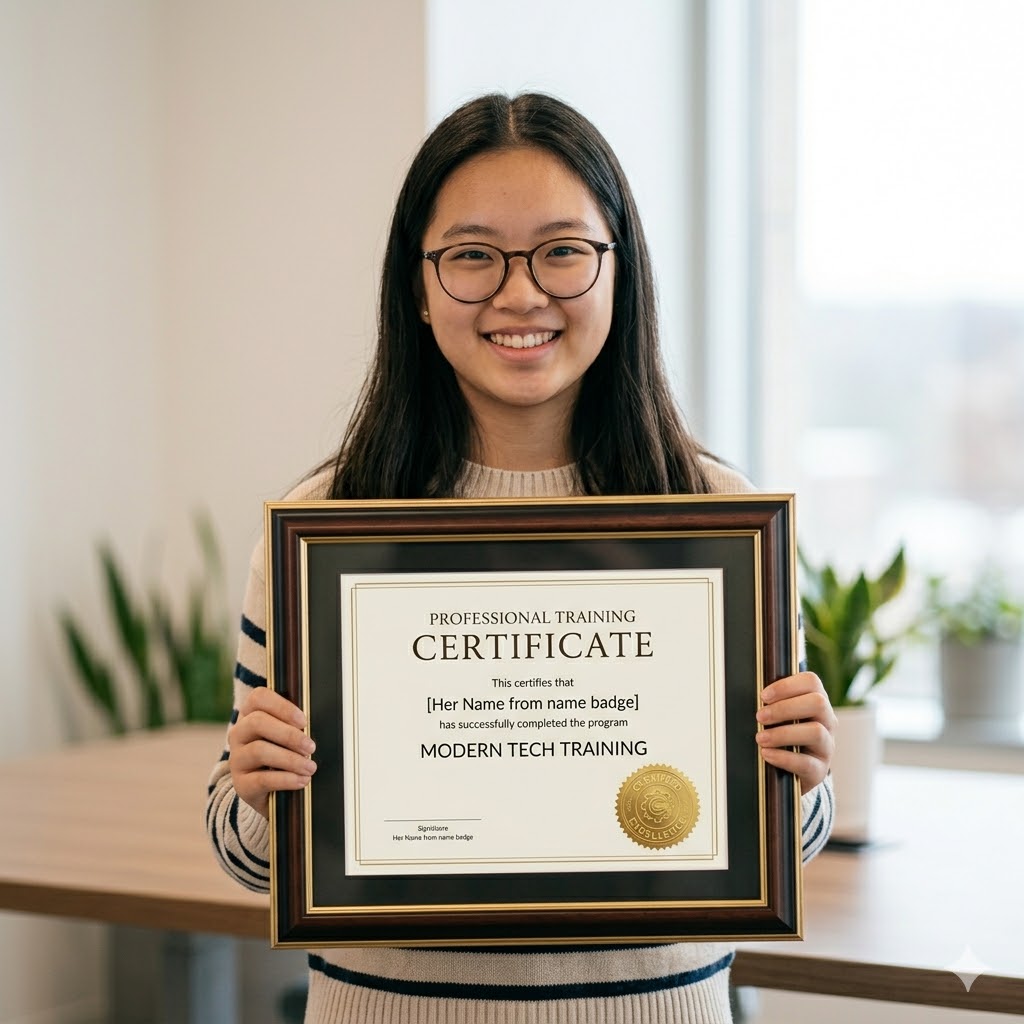
Recognised Certificate
Earn an industry-recognized APEC Training certificate valued by top companies in Hyderabad.
Technologies You'll Master
A complete SQL Server toolkit covering queries, database design, and data management essentials.

Hibernate
Spring Boot
Java
Angular

SSMS
SSIS
Choose Your Learning Mode
Flexible training options to fit your schedule and learning style.

Classroom Training
Learn in a professional training environment with real-time interaction, peer learning, and lab access.
- In-person expert guidance
- Hands-on learning
- Peer interaction
- Focused environment

Online Training
Live instructor-led sessions via Zoom/Google Meet full classroom experience from anywhere in India.
- Learn from anywhere
- Live interactive classes
- Flexible schedule
- Recorded sessions

Weekend Batch
Weekend intensive sessions designed for working professionals and students with busy weekdays.
- Weekend-only classes
- Ideal for professionals
- Fast-track learning
- Flexible pace
Frequently Asked Questions
Got questions? We’ve got answers. If you don’t find what you need, talk to our counsellors.
We have 2 modes of training. Classroom Training & Online Training.
IT Training courses take a maximum of 2-3 month durations & the course duration, however, depends on the availability and convenience of the learner. You can check our detailed upcoming batches, course duration & timing, fees at the course training page.
Yes, after the completion of the course. We will provide opportunity to work on our live projects.
We provide a proper certificate after completion of the course. Along with our institute certificate you will be also able to write Course Name and other certifications after completing the course.
You can expect a 10%-25% increment in salary. The overall growth depends upon how you perform and how you are beneficial to the organization.
Ready to Become a SQL Server Expert?
Join thousands of students who transformed their careers with
APEC Training
Your first step is one click away.
You Might Also Like
Data Science with AI & ML
Python, ML, Deep Learning & real-world data projects.
- 6 Months
- Details
SQL Server
APEC Provides Best SQL Server Course in Various Fields of Education like for both IT and Non IT Students and Professionals .


- Introduction to DBMS
- Data Models
- HDBMS, NDBMS, RDBMS, ORDBMS
- Entity Relationship (E-R)
- Normalization Introduction to SQL Server
- Advantages & limitations
- Login & Password
- Server Type & Server Name
- Authentication Modes – SQL Server, Windows
- SQL Server Management Studio & Tools
- Query Editor
- Introduction To SQL
- Types of SQL Commands
- Data Types
- DDL, DML, DQL, DCL, TCL
- Databases – Create / Alter / Drop
- Tables – Create / Alter / Drop Table Constraints
- Not Null
- Unique
- Default
- Check
- Primary Key
- Referential Integrity or foreign key Data
- Insert / Update / Delete
- Truncate & Drop
- Create a Table From
- Another Table
- Insert Rows From One
- Table To Another Data
- Query Language (DQL)
- Simple Select
- Select with row filters
- Where clause with relational operators
- Logical operators
- Special operators
- Between and In, Like Is Null, Isnull() Order By Clause
- Column aliases Transaction Management
- User & Server schema
- Implicit Transactions
- Begin / Save Transaction
- Commit / Rollback
- Role of Log File in
- Transaction Management Built In Functions
- Numeric/Character
- Date/Conversion/Identity
- Aggregate Functions – sum(), avg(), etc.
- Group By & Having Clauses
- Top Clause Set Operators
- Union, Union all ,Intersect Joins
- Simple Equi / Non-Equi
- Natural, Self
- Inner, Outer
- Cross or Cartesian Join Sub Queries
- Single / Multi Row
- Any, Some, ALL
- Exists & Not Exists
- Nested Correlated Indexes Create, Alter & Drop
- Performance variation
- Clustered / Non-Clustered DBA Activities
- Authenticated Login – SQL Server/Windows
- Create / Alter / Drop users
- Granting & Revoking Permissions Views
- Create / Alter / Drop Views
- Simple, Complex Views
- Indexed & Partition views
- Encryption & Schema Binding Options TSQL Programming
- SQL versus TSQL Programming
- Control statements – If,Case
- While & other looping statements Cursors
- Types of Cursors
- Forward_Only, Scroll
- Static, Dynamic
- Keyset
- Local & Global Stored Procedures
- Creating/Calling Stored Procedures
- Altering & Dropping
- Optional, Input, Output Parameters
- Permissions on Stored Procedures Exception Handling
- User Defined Error Messages – Add & Remove
- Raising Exceptions Manual User Defined Functions
- Scalar Functions
- Table Valued Functions
- Permissions on User Defined Functions Triggers
- Stored Procedures VS User Defined Functions VS Triggers
- Creating Triggers
- Altering Triggers
- Dropping Triggers
- Magic Tables
Instead of Triggers CLR Integration
What is CLR Integration?
Implementing CLR
A Simple Example Working with XML Data Type Database – Backup, Restore – Import, Export – Attach, Detach
Syllabus
Concepts of DBMS
- Introduction to DBMS
- Data Models
- HDBMS, NDBMS, RDBMS, ORDBMS
- Entity Relationship (E-R)
- Normalization Introduction to SQL Server
- Advantages & limitations
- Login & Password
- Server Type & Server Name
- Authentication Modes – SQL Server, Windows
- SQL Server Management Studio & Tools
Object Explorer
- Query Editor
- Introduction To SQL
- Types of SQL Commands
- Data Types
- DDL, DML, DQL, DCL, TCL
- Databases – Create / Alter / Drop
- Tables – Create / Alter / Drop Table Constraints
- Not Null
- Unique
- Default
- Check
- Primary Key
- Referential Integrity or foreign key Data
Manipulation Language (DML)
- Insert / Update / Delete
- Truncate & Drop
- Create a Table From
- Another Table
- Insert Rows From One
- Table To Another Data
- Query Language (DQL)
- Simple Select
- Select with row filters
- Where clause with relational operators
- Logical operators
- Special operators
- Between and In, Like Is Null, Isnull() Order By Clause
Distinct Keyword
- Column aliases Transaction Management
- User & Server schema
- Implicit Transactions
- Begin / Save Transaction
- Commit / Rollback
- Role of Log File in
- Transaction Management Built In Functions
- Numeric/Character
- Date/Conversion/Identity
- Aggregate Functions – sum(), avg(), etc.
- Group By & Having Clauses
Ranking Functions
- Top Clause Set Operators
- Union, Union all ,Intersect Joins
- Simple Equi / Non-Equi
- Natural, Self
- Inner, Outer
- Cross or Cartesian Join Sub Queries
- Single / Multi Row
- Any, Some, ALL
- Exists & Not Exists
- Nested Correlated Indexes Create, Alter & Drop
- Performance variation
Composite
- Clustered / Non-Clustered DBA Activities
- Authenticated Login – SQL Server/Windows
- Create / Alter / Drop users
- Granting & Revoking Permissions Views
- Create / Alter / Drop Views
- Simple, Complex Views
- Indexed & Partition views
- Encryption & Schema Binding Options TSQL Programming
- SQL versus TSQL Programming
Introduction
- Control statements – If,Case
- While & other looping statements Cursors
- Types of Cursors
- Forward_Only, Scroll
- Static, Dynamic
- Keyset
- Local & Global Stored Procedures
- Creating/Calling Stored Procedures
- Altering & Dropping
- Optional, Input, Output Parameters
- Permissions on Stored Procedures Exception Handling
- User Defined Error Messages – Add & Remove
- Raising Exceptions Manual User Defined Functions
- Scalar Functions
- Table Valued Functions
- Permissions on User Defined Functions Triggers
- Stored Procedures VS User Defined Functions VS Triggers
- Creating Triggers
- Altering Triggers
- Dropping Triggers
- Magic Tables
- Instead of Triggers CLR Integration
What is CLR Integration?
Implementing CLR
A Simple Example Working with XML Data Type Database – Backup, Restore – Import, Export – Attach, Detach
FAQ's
We have 2 modes of training. Classroom Training & Online Training.
IT Training courses take a maximum of 2-3 month durations & the course duration, however, depends on the availability and convenience of the learner. You can check our detailed upcoming batches, course duration & timing, fees at the course training page.
Yes, after the completion of the course. We will provide opportunity to work on our live projects.
We provide a proper certificate after completion of the course. Along with our institute certificate you will be also able to write Course Name and other certifications after completing the course.
You can expect a 10%-25% increment in salary. The overall growth depends upon how you perform and how you are beneficial to the organization.
Grow Your Career
There’s no shortage of possible career options in IT, and there’s no shortage of opportunities for promotion within specific IT niches. Full Stack Development, Data Science, ML & AI, Digital Marketing, Cloud Computing, Networking and Graphic Design all offer IT career growth and may be just right for you.